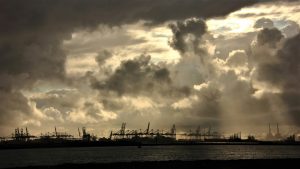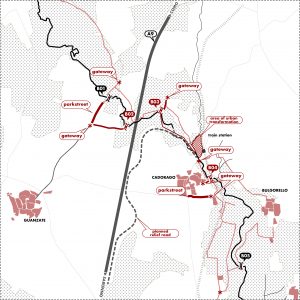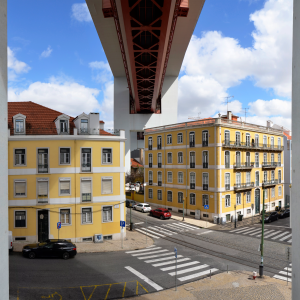
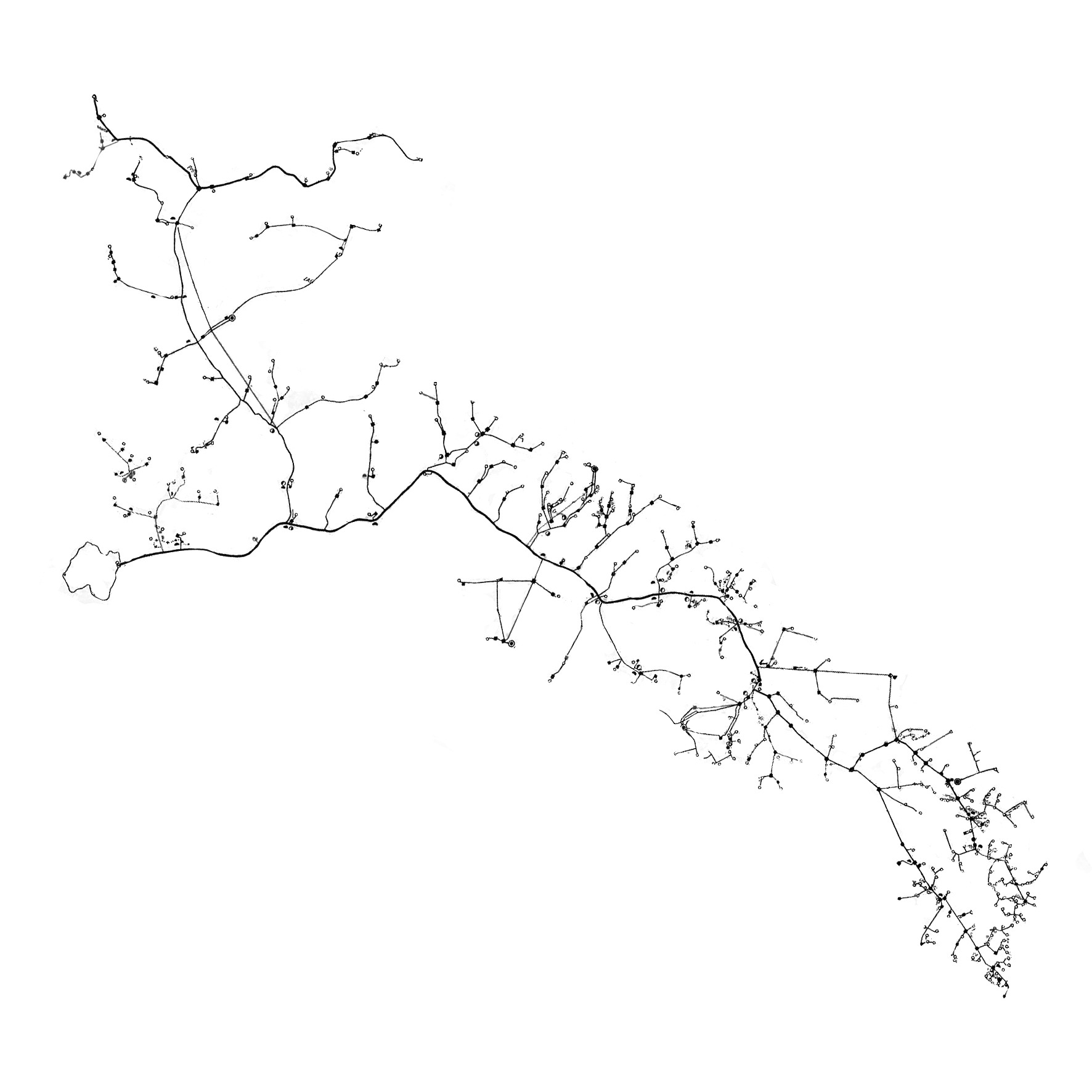
The Southern Italian territory, with its peculiar morphology and rich cultural heritage, offers a significant example of how the intersection of landscape and infrastructure can be a resource for cultural tourism. This contribution focuses on the Apulian aqueduct, a remarkable early 20th-century engineering work built to address the chronic water shortage of the region – a siticulosa land1, as Orazio wrote in the Epodes – lacking rain and springs. Its network of pipelines, reservoirs, and canal bridges constitutes a valuable yet often marginalised heritage, largely unknown or inaccessible. Since 2016, the Ciclo-Via dell’Acquedotto Pugliese project has proposed an experimental and multidisciplinary approach to rediscover this infrastructure through sustainable mobility.
Transforming the aqueduct into a 500 km-long cycle route from Caposele to Santa Maria di Leuca, the project connects remote areas and narrates the landscape through the material and symbolic presence of water. Along the route, the phenomenology of water – the forms through which it springs, flows, collects and descends into the sea – becomes the key to reading a continuum of historical landscapes, in which each stretch becomes the chapter of a story, by following paesaggi-passaggi (Magris, 1997).
This (ongoing) research reflects on how the aqueduct shifts from a functional work to a narrative device for cultural regeneration. The adopted method focuses on few different water landscapes along the route, defined through narrative images constructed using archival materials and original drawings: the landscape of water springing forth, flowing across land, and plunging into the sea. Each landscape figure becomes a narrative passage, expressing the relationship between hydraulic architecture and geography, and marking a chapter in the slow unfolding of the infrastructure.
- «Nec tantus umquam siderum insedit vapor siticulosae Apuliae». Epodi, III. vv.15-16. ↩︎
Bibliography
- Monte, A., Durante, P., Giammaruco, S. (2018). La Via dell’Acqua. Pratiche di Valorizzazione del patrimonio industriale dell’Acquedotto Pugliese. Bari: Kurumuny Editore.
- Guido, R. (2018). Ciclovia dell’Acquedotto Pugliese. Portogruaro: Ediciclo Editore.
- Magris, C. (1997). Microcosmi. Milano: Garzanti.